Baylor Bear Habitat
A Tradition of Stewardship, Education and Conservation
Located at the heart of the Baylor campus, the Bill and Eva Williams Bear Habitat is home to our beloved live bears. Since first arriving on campus in 1917, the American black bears have embodied Baylor's spirit and tradition.
Meet Our Bears
Our Bears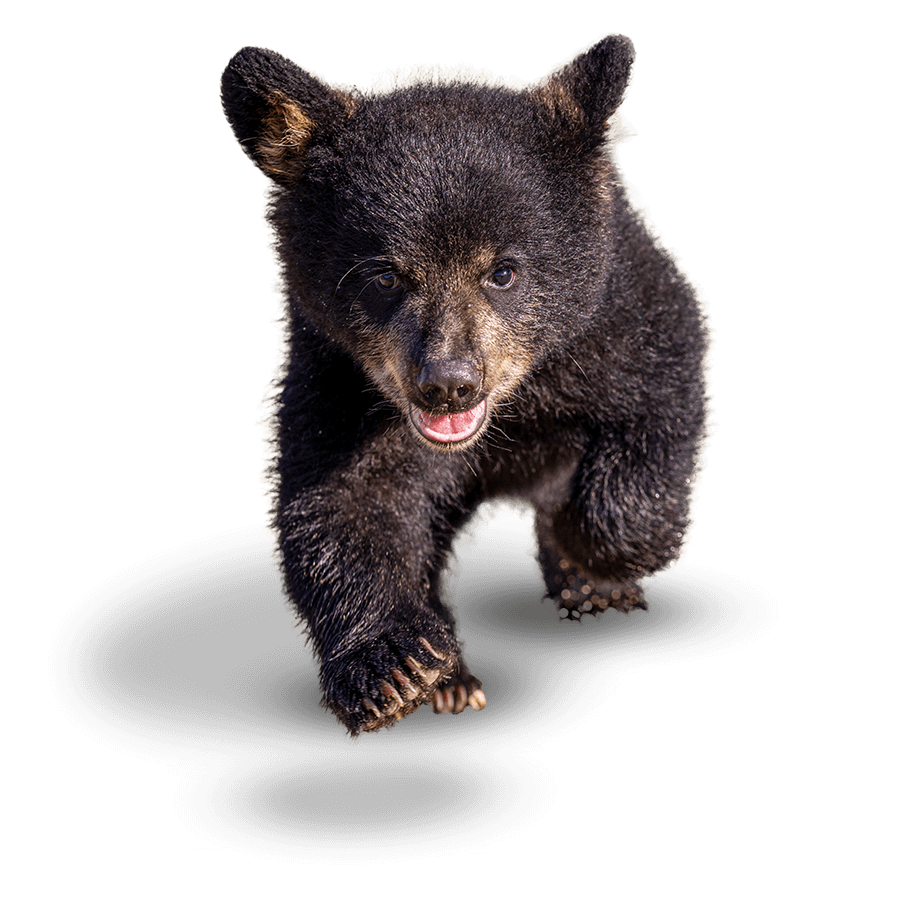
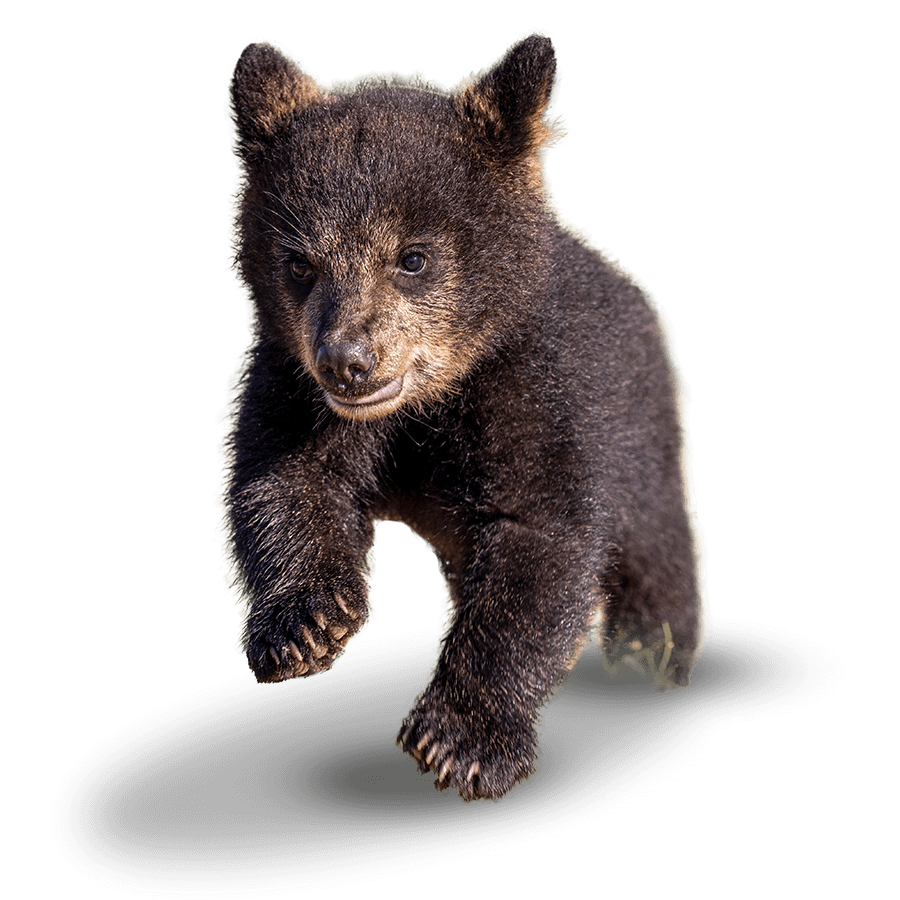
A Baylor tradition since 1917, the Baylor Bear Habitat is committed to providing excellent care for Baylor's bears and serving the larger community by presenting unique educational experiences with the Habitat's American black bears.
Respecting God's creation by providing state-of-the-art care for our American black bears, forming strategic partnerships throughout the campus community to help the Habitat caregivers meet and exceed industry-leading standards of animal care.
Impacting people throughout local, state and national communities by offering unique educational experiences to learn about and interact with American black bears.
Protecting our global community through preservation and advocacy efforts, contributing to the continued support and health of wildlife around the world.
Accreditations and Licenses
The Bill and Eva Williams Bear Habitat is accredited by the Association of Zoos and Aquariums (AZA) – the first university in the world to receive this designation – along with regulatory oversight and licensing from the U.S. Department of Agriculture.


News
More NewsGuests are welcome to block party-style event to celebrate Judge Indy and Judge Belle on their milestone birthday
WACO, Texas (Aug. 22, 2023) – Baylor University is hosting a “welcome home” party for Judge Indy and Judge Belle – the University’s new American black bear cubs – at the Association of Zoos and Aquariums (AZA)-accredited Bill and Eva Williams Bear Habitat. The block party-style event will be held at the Bear Habitat from 10 a.m. to noon Saturday, Aug. 26.
WACO, Texas (May 22, 2023) – Baylor University today announced the addition of two American black bear cubs to the Association of Zoos and Aquariums (AZA)-accredited Bill and Eva Williams Bear Habitat. The cubs, named Judge Indy and Judge Belle, will join the Baylor Family in the on-campus habitat as early as mid-summer.
Yes, Baylor’s beloved American black bear is preparing to move on — in this case, from her campus habitat to a new home off-campus (located on the enrichment site she and her sister, Joy, have enjoyed for years). There, she’ll continue to be taken care of by her Baylor Bear Habitat caregivers, staff and veterinary team.