
After more than a decade operating from facilities miles apart, Baylor's "far-flung" CASPER space research groups now under one roof at the BRIC

Beginning in 1999 with just a single on-campus researcher, Baylor's Center for Astrophysics Space Physics and Engineering Research (CASPER) — has grown into six independent research groups. But in its thirteen years of rapid growth and discovery, CASPER has lacked one thing — a common location.

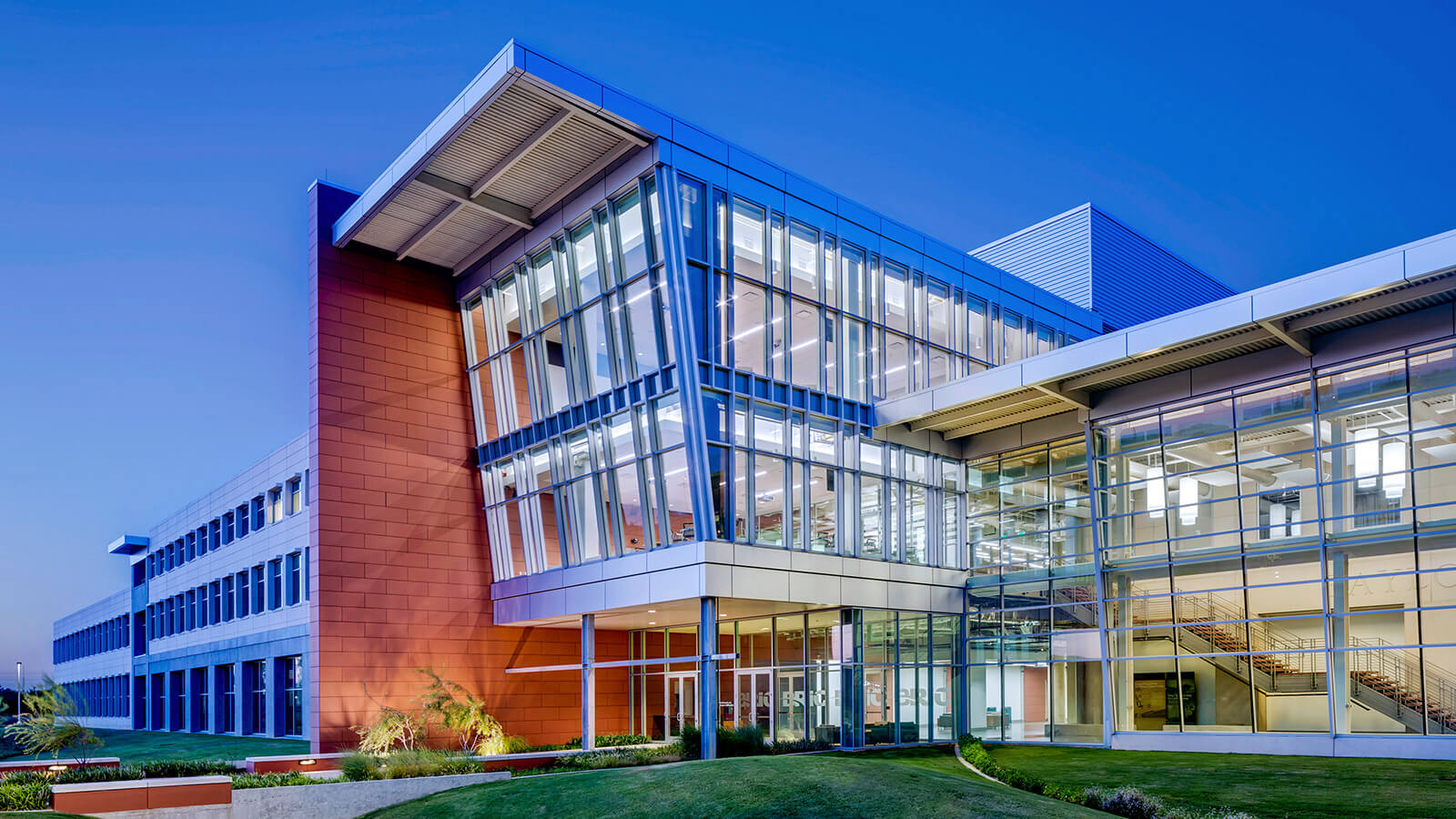
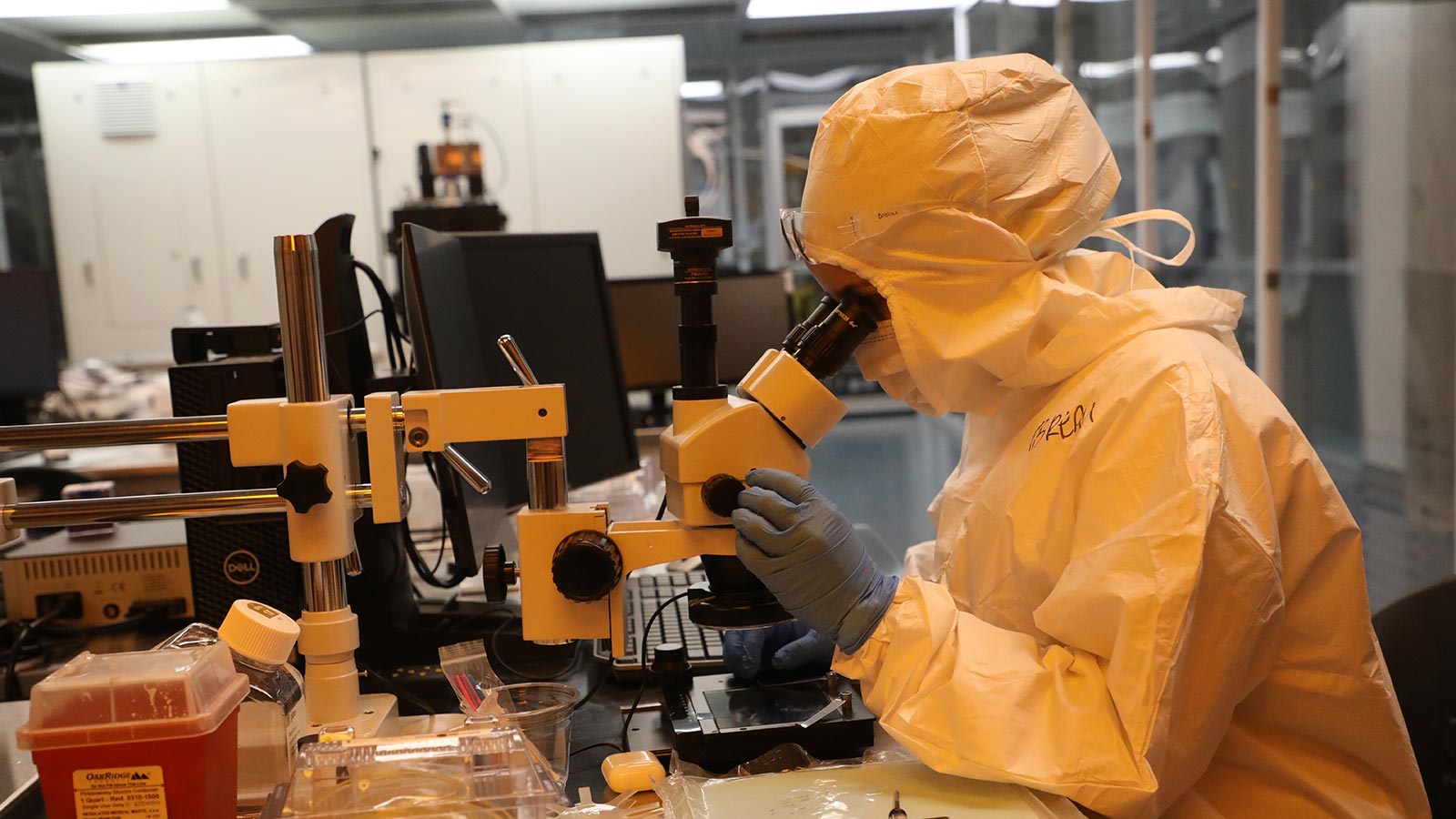
All that changed in mid-January, 2013, when CASPER's teams of interdisciplinary researchers began leaving their long-time homes on the Baylor and Texas State Technical College Waco campuses to move into sparkling new offices and laboratories at the just-opened Baylor Research and Innovation Collaborative (BRIC).

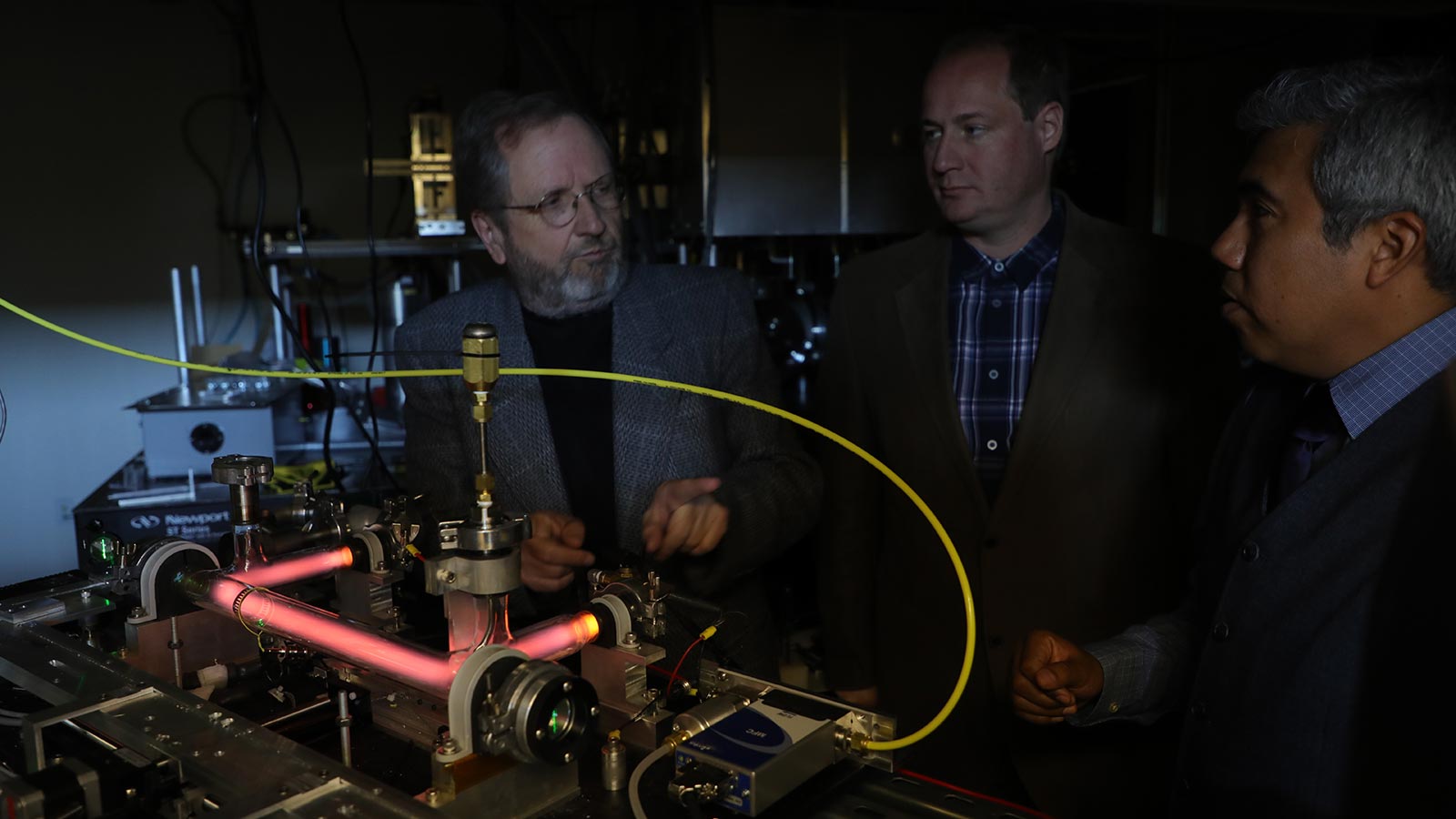
Here, CASPER's three dozen scientists, engineers and associates continue both theoretical and experimental research on topics ranging from gravito-electrodynamics and protoplanetary and protostellar evolution, to complex plasmas, hyper- and low-velocity shock physics and dusty plasmas.

CASPER teams also are developing advanced sensors for terrestrial and space-borne systems, and are collaborating with German researchers in several space science projects, including small satellite research.

With cooperative research agreements already in-place with well over a dozen institutions in the U.S., China, Germany, Brazil and Japan, CASPER researchers are among the first to benefit from the BRIC's collaboration-friendly and interdisciplinary-focused design.

Center for Astrophysics, Space Physics & Engineering Research