





NEWS

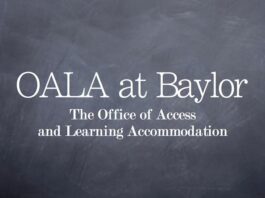
Student speaks out on OALA relocation via survey, social media
Katy senior Brenna Colihan made an Instagram post on April 24 that included a four-page essay on her frustration at the relocation. She also posted the results of an anonymous survey of over 100 people in the Baylor community, which showed negative sentiments toward the decision among the respondents.





SPORTS

Binford’s two-way play leads No. 4 seed Baylor softball over No....
The Bears outlasted the Knights 3-2 to secure their first Big 12 Tournament victory since the 2018 season.


ARTS

What to Do in Waco: Summer Edition
Summer is approaching, and while campus might be gradually emptying, Waco is blooming with upcoming events. Whether you’re visiting, living in Waco or taking summer classes, the following list includes something for everyone, from music events to tours of the city.


LTVN

Lariat TV News: Best of Show, May 1st, 2024
34:28

A career shift unites the Waco community through yoga
02:23

An introduction to 'That Englishman in Texas,' at home
01:30

Baylor Parking Services, student government offers new finals parking permit solution
02:01

Former Team USA rhythmic gymnast uses athletic experience to fuel career goals
02:14
New run club takes steps forward to foster inclusive, active environment
01:50

Baylor Acrobatics and Tumbling, Bayley Humphrey's unique career path planned for post-grad
01:55

Student's Resilience Shines through Journey with Illness
02:52

Lariat TV News: April 26th, 2024
22:09
Baylor Dance Company prepares for final spring showcase
01:59

Football spring practice gives confidence, QB starter undecided
02:02

Lariat TV News | April 19th, 2024
19:06

Fran Fraschilla breaks down Bear's NBA chances
02:24

Honors Residential College takes home third consecutive win in Tri-College Tournament
01:49

Busch League Bagels brings a bite of New Jersey to Waco
01:36

Taking on the waves: Baylor marina turns students into sailors
02:20

Students protect environment against 'fast fashion' through clothing swap
02:21

Lariat TV News: April 12th, 2024
24:44
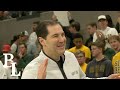
Scott Drew turns down Kentucky job, stays at Baylor
02:27
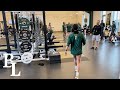
Total solar eclipse forces student athletes to rearrange hectic schedules during season
01:35
Unique volunteer experience aids Spanish-speaking Wacoans
01:29
Hands-on investment class in business school allows students to manage real stocks
02:03

Baylor's Hispanic Student Association celebrates culture with a 'Fiesta'
02:01
Baylor students react to historic 2024 solar eclipse
02:09
Motorized scooter, bike thefts spike on campus
01:59
OPINION


PHOTO


